
Blogs
How to Build a Customized Investment Portfolio
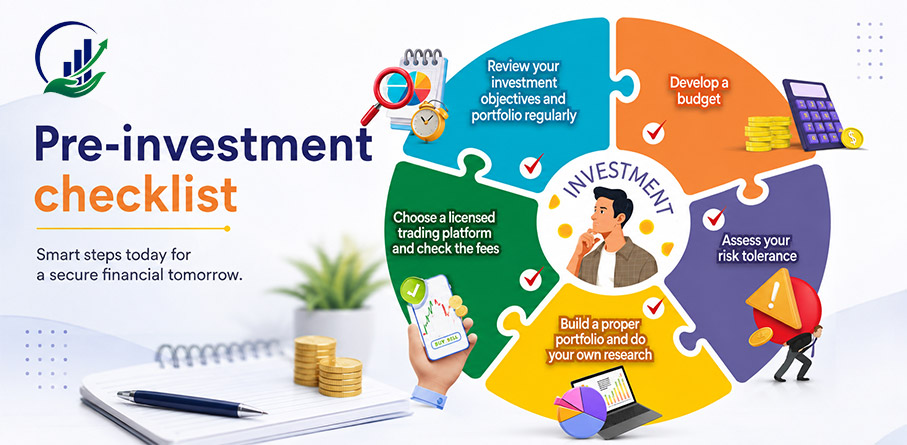
There is no single investment portfolio that is suitable for everyone.That is why customized investment portfolio planning is important. A customized portfolio is designed around your financial goals, investment horizon, risk capacity, income, liabilities and liquidity requirements. Instead of simply investing in products that are popular or have delivered high past returns, the focus should be on building a portfolio suitable for your personal financial journey.
Here are some important steps to build a customized investment portfolio.
1. Start With Clear Financial Goals
Every investment should ideally have a purpose.
Identify what you are investing for. Your goals may include:
• Building an emergency fund
• Buying a house
• Children’s education
• Retirement
• Wealth creation
• Creating regular income
• Building a financial legacy
For each goal, estimate how much money you need and when you will need it.
A goal requiring money after three years should usually be planned differently from one that is 20 years away.
2. Understand Your Current Financial Position
Before making new investments, review where you stand financially.
List your existing:
• Savings and bank balances
• Fixed deposits
• Mutual funds and other investments
• Property and other assets
• Loans and liabilities
• Monthly income and expenses
This gives you a clearer picture of how much you can invest and whether you have any financial gaps.
For example, you may need to clear expensive debt, improve your emergency fund or arrange adequate insurance before taking additional investment risk.
3. Maintain Adequate Emergency Liquidity
Unexpected expenses can arise at any time.
An emergency fund can help you manage sudden financial requirements without being forced to sell long-term investments at an unsuitable time. The amount required depends on factors such as your monthly expenses, income stability, family responsibilities and existing financial commitments. The objective of emergency money should generally be liquidity and accessibility, rather than maximising returns.
4. Understand Your Risk Capacity
You should also consider how much risk you can financially afford to take.
Your risk capacity may depend on:
• Age
• Income stability
• Number of dependents
• Existing liabilities
• Financial goals
• Investment horizon
• Liquidity requirements
A person may be comfortable with market fluctuations but may still need a conservative strategy if the money is required for an important goal in the near future.
A customized portfolio should therefore be based on your financial capacity as well as your comfort with risk.
5. Decide Your Asset Allocation
Asset allocation is one of the most important elements of portfolio planning.
Depending on your requirements, your money may be allocated across different categories such as:
• Equity-oriented investments for long-term growth
• Fixed-income investments for stability and income
• Liquid investments for short-term requirements
• Other suitable assets for diversification
The right allocation will differ from person to person.
The objective is to create an appropriate balance between growth, stability and liquidity.
6. Give Every Investment a Clear Purpose
Before adding any investment to your portfolio, ask:
Why am I buying this?
• Every investment should ideally have a specific role.
• For example, one investment may support long-term wealth creation, another may provide stability, while another may be reserved for short-term financial requirements.
• Avoid buying multiple products simply because they have performed well recently.
• Owning many investments does not automatically mean you are diversified. If several investments carry similar risks, your portfolio may still be concentrated.
• Real diversification means combining investments that perform different roles within your overall financial plan.
7. Match Investments With Your Time Horizon
Your investment horizon should influence the amount of risk you take. Generally, money required in the near future should not be exposed to unnecessary volatility. Long-term goals may have greater capacity to withstand temporary market fluctuations.
One approach is to separate your investments into different buckets:
Short-term: Emergency and near-term requirements.
Medium-term: Goals expected over the next few years.
Long-term: Goals such as retirement and long-term wealth creation.
This can help prevent a situation where you are forced to redeem long-term investments to meet short-term requirements.
8. Consider Tax Efficiency
Actual return is not simply the return generated by an investment.
You should also consider the impact of:
• Taxes
• Costs
• Exit loads
• Holding periods
• Withdrawal planning
Two investments with similar pre-tax returns may produce different outcomes after tax. Hence, the objective should be to achieve suitable post-tax, risk-adjusted returns.
9. Review and Rebalance Regularly
Building a portfolio is not a one-time exercise.
Your income, family responsibilities, financial goals and risk capacity can change over time. Markets can also change your original asset allocation.
Periodic reviews and rebalancing can help maintain your desired allocation.
Review your portfolio for:
• Excessive concentration
• Duplicate investments
• Changes in financial goals
• Changes in risk capacity
• Liquidity requirements
• Tax-planning opportunities
Avoid making frequent changes based purely on short-term market movements.
10. Don’t Copy Someone Else’s Portfolio
A friend’s portfolio may not be suitable for you.
Their income, age, financial goals, responsibilities and ability to take risk may be completely different.
There is no universal “best investment portfolio.”
The best portfolio for you is one that is designed around your financial goals and circumstances.
Final Thoughts
Building a customized investment portfolio is about much more than selecting investments with attractive past returns.
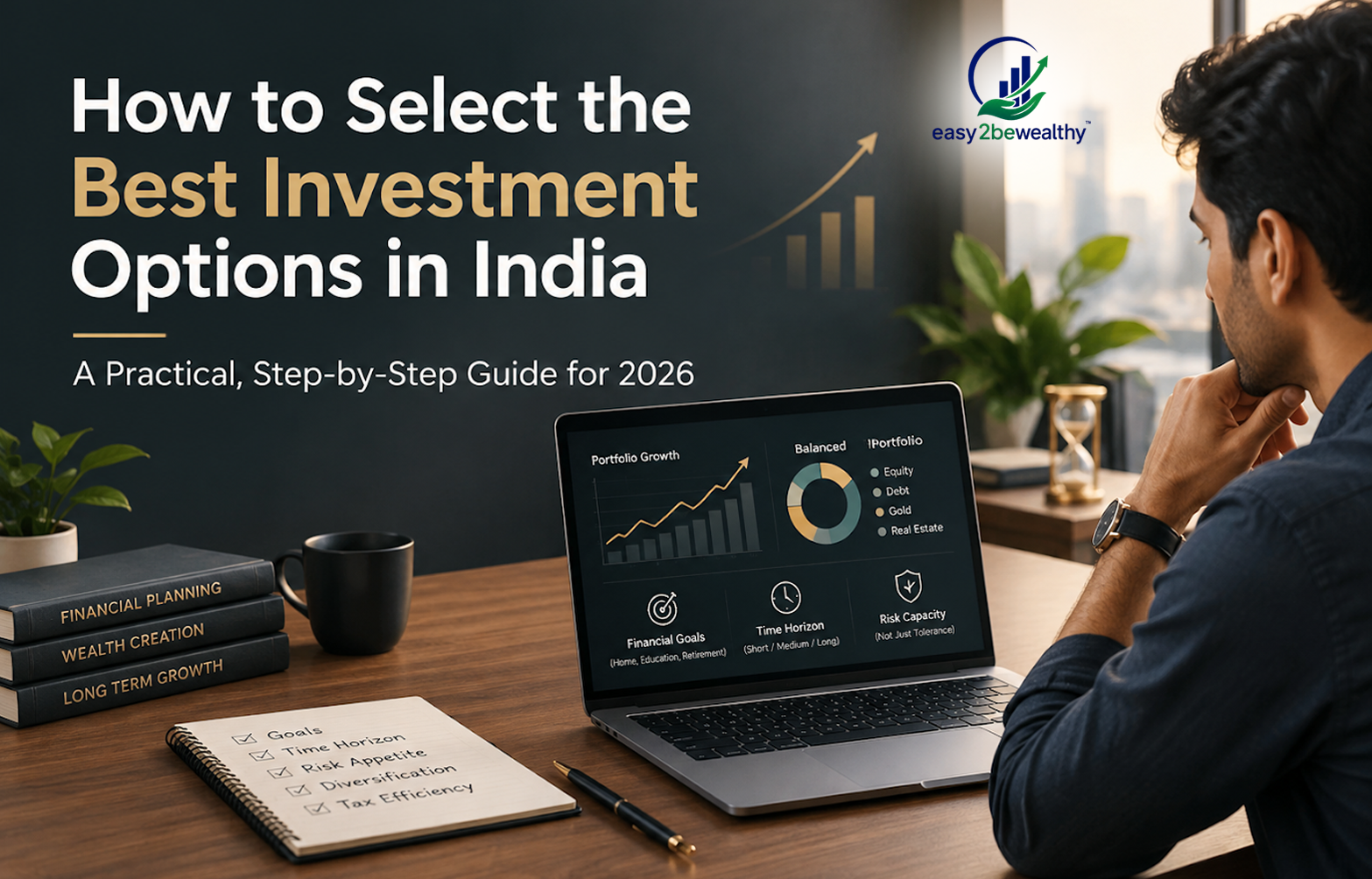
A good portfolio should consider your financial goals, current financial position, risk capacity, investment horizon, liquidity needs, asset allocation and tax efficiency.
Before investing, ask yourself:
• What is my financial goal?
• When will I need the money?
The answers to these questions can help create a more purposeful investment strategy.
A customized portfolio should balance growth, stability, liquidity and tax efficiency while remaining aligned with your changing financial needs.
Disclaimer: This article is for educational and informational purposes only and should not be considered personalised investment advice. Investments are subject to market risks, and suitability depends on individual financial circumstances and objectives.
TRENDING POST
RECENT POSTS
.webp)
How to Build a Customized Investment Portfolio
Aug 21, 2026
NEWSLETTER
Subscribe my Newsletter for new blog posts. Stay updated from your inbox!
Leave a Comments